Improving Learning from Mistakes: A Practical Shift in Your Study Routine

As the clock ticks down to the end of another long day, the desk is cluttered with notes, a half-empty coffee mug, and the ever-present phone, which buzzes with notifications. The distractions around you make it hard to focus, and the lingering fatigue from the day weighs heavily on your mind, clouding your ability to engage with the material.
Before you can dive into the content, it’s crucial to clear your workspace and set up a conducive environment for learning. Taking just a moment to organize your notes and place the most relevant page at the top can streamline your review session. This small adjustment not only saves time but also helps you avoid the frustration of losing track of your focus, allowing you to better learn from any mistakes in your past work.
The First Step That Gets Skipped
After a long day, you sit down at your desk, ready to review your notes. However, the clutter surrounding you—crumpled papers, an empty snack wrapper, and a phone that buzzes with notifications—creates a barrier to focus. Instead of diving into the material, you find yourself distracted by the mess.
In contrast, consider a more deliberate approach. Before starting your review, take a moment to clear your desk. This simple act of preparation not only organizes your space but also establishes a clear boundary against distractions. By keeping your phone out of reach, perhaps in a drawer or another room, you create an environment conducive to learning. Now, instead of wasting time searching for notes, you can engage with the material directly, allowing you to effectively learn from mistakes made in previous work.
A Better Order for the Same Five Minutes
A half-empty coffee cup, an old grocery list, and your phone buzzing with notifications create a chaotic environment. Instead of diving straight into your notes, you waste precious time just getting settled.
Now, let’s refine that approach. Before you even think about opening your notebook, take a moment to clear your desk. Push aside any unnecessary items—those crumpled papers and the snack wrapper can wait. Next, open your notebook to the correct page, ensuring that you’re ready to engage with the material immediately. This small adjustment can save you from the frustration of flipping through pages while trying to recall what you need to focus on. With your workspace organized and your notes prepped, you can dive into your review without distraction, allowing for a more productive session.
This creates a sense of urgency and helps you stay focused on the task at hand. When the timer starts, you’ll find it easier to concentrate, as you’re not just passively reviewing but actively engaging with the material.
This same friction shows up again in Learning New Skills As, especially when the day tightens unexpectedly.
What to Check Before the Phone Takes Over
As you settle down at your desk after a long day, the temptation to reach for your phone can be overwhelming. To combat this, start by placing your phone out of arm's reach, perhaps in a drawer or across the room. This simple action minimizes the chance of distraction as you prepare to review your notes. Next, check that your water glass is filled and within reach.
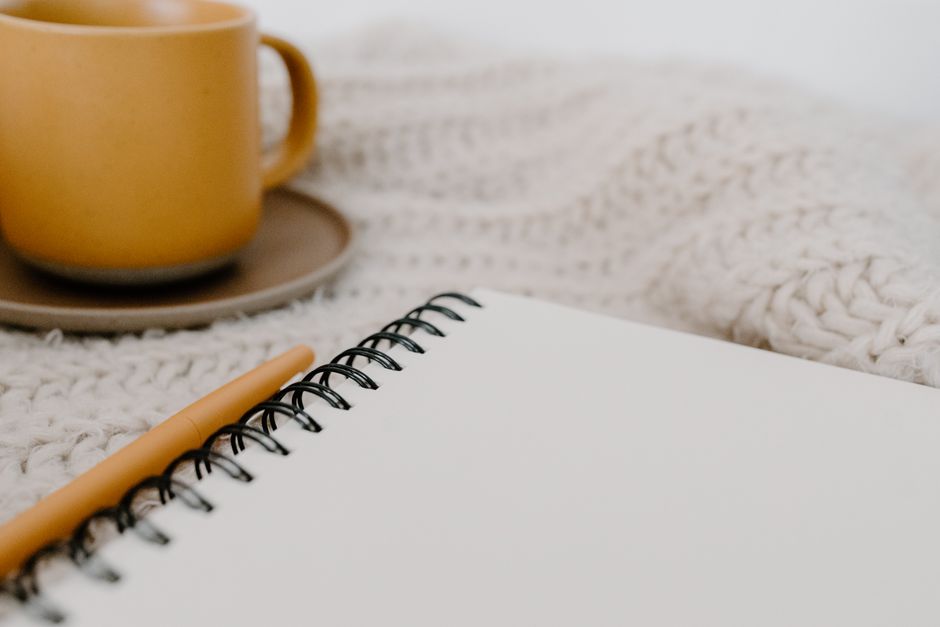
Before diving into your notes, set a timer for 25 minutes to create a focused block of time. This not only structures your review but also adds a sense of urgency to your learning. As you prepare, open your notebook to the correct page and place a pen beside it. This way, you eliminate the friction of searching for materials when you should be engaging with the content.
The Result of a Cleaner Sequence
If this pattern keeps repeating, Practical Life Skills Us extends the idea without leaving the niche.
Instead of fumbling through pages, your notes are open to the right section, and you can immediately dive into the material. This shift allows you to identify mistakes more easily, as you’re not distracted by the search process. With your notebook already positioned on your desk and a pen ready, you can focus on the content rather than the logistics of preparation.
As you engage with your notes, the act of reviewing becomes more targeted. You can quickly highlight errors or unclear concepts directly in the margins, making them stand out for future practice. The clarity of having a clean workspace, free from clutter and distractions, enhances your ability to concentrate. If your phone is out of reach, you’re less likely to be tempted to check it, allowing you to maintain a steady flow of thought.
In this newly structured environment, mistakes are not just noted; they become focal points for improvement. The sequence of actions—clearing your desk, setting a timer, and preparing your materials—creates a rhythm that supports effective learning. You’re not just reviewing; you’re actively engaging with your errors, which leads to a deeper understanding during your practice blocks.
Returning to your notes after a busy day can often feel overwhelming, especially if you’re not prepared. By simply taking a moment to clear your desk and gather your materials, you set the stage for a focused review session. Place your notebook open to the last page you were working on, with a pen at hand for immediate annotations. This small act of organization can save precious minutes that would otherwise slip away as you search for the right page or dig through scattered papers.
As you settle in, resist the urge to keep your phone within arm's reach. Instead, place it in another room or out of sight to minimize distractions. With your workspace tidy and your notes ready, you can dive straight into identifying mistakes and areas for improvement. Next time you prepare for a review, take that extra minute to set up your space for success—it makes all the difference.