Navigating Review Habits: A Student's Journey Back to Learning
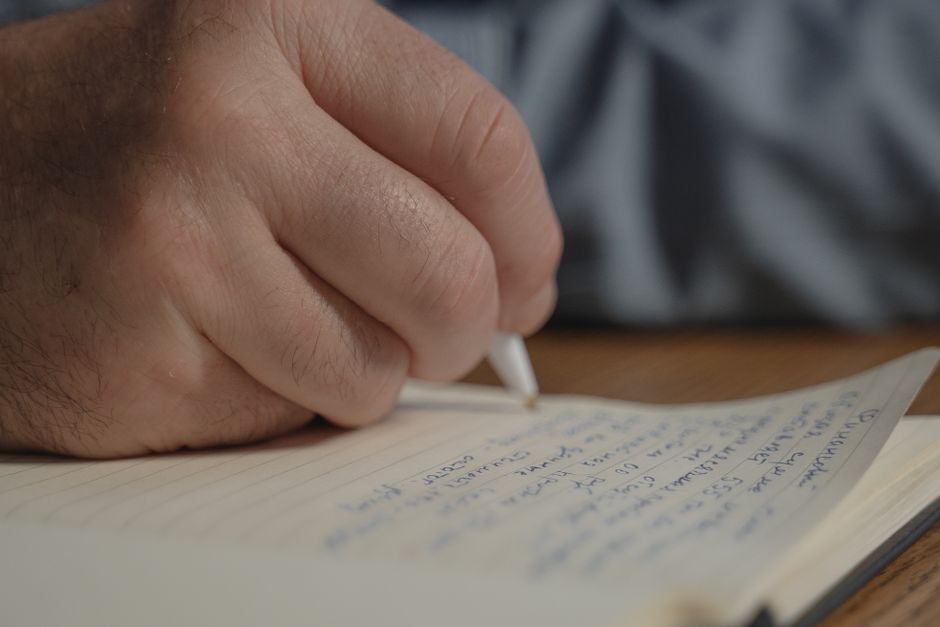
After missing a few classes due to work commitments, she feels the weight of fragmented notes scattered across various tabs and pages. With a stack of flashcards to her right, she knows she should be reviewing her material, but instead, she finds herself scrolling aimlessly through her notes, trying to piece together what she missed. The timer on her phone reminds her that she only has thirty minutes before bed, and the pressure mounts as she struggles to focus.
As she scans her notes, the disorganization becomes painfully clear. Important insights from previous sessions are buried under hastily scribbled reminders and unrelated thoughts. Without a clear plan to consolidate her review materials, Sarah risks missing key concepts that could help her learn from her mistakes. Each moment spent searching only adds to her frustration, leaving her to wonder why her good intentions around learning often fall short.
The Moment That Slips Away
At her cluttered desk, Sarah stares at the stack of flashcards to her right, a small beacon of hope amidst the chaos of scattered notes. The timer on her phone, set for thirty minutes, ticks down ominously, reminding her of the fleeting time she has to review. She knows she should be diving into the material, but the disarray of her notes makes that feel like an uphill battle. The lack of organization looms large, and she feels the weight of her fragmented review materials pressing down on her.
As she reaches for her main notebook, she flips through the pages, hoping to find relevant insights. Instead, she encounters a jumble of unrelated reminders and half-formed ideas, each one a reminder of what she missed during her absence. Her initial intention to focus on key concepts quickly devolves into random scrolling, each swipe through disjointed notes only amplifying her frustration. To regain control, she decides to open her notebook to a designated page where she had previously summarized important lessons. Yet, as she tries to focus, the distractions of her cluttered desk and the ticking timer threaten to steal away the moment she had hoped to reclaim. The Drift into Distraction She intended to dive into her notes, but instead, she finds herself scrolling through unrelated articles and old assignments, losing precious time. The initial excitement of returning to her studies quickly fades as the disarray of information overwhelms her focus. She glances at the stack of flashcards sitting untouched beside her; their potential for reinforcing her learning is wasted amid the chaos of her digital clutter.
Frustrated, she realizes that without a clear path, her review session has devolved into a haphazard search for relevance. Instead of starting with a focused summary, she could have opened her notebook to a specific page where she had previously organized her thoughts.
In this moment, the reality of her fragmented review materials becomes painfully clear. The intention to learn from previous mistakes is overshadowed by the inefficiency of her current setup. Each minute wasted scrolling through disjointed notes feels like a missed opportunity to reinforce her understanding. To shift this pattern, she needs to prioritize a single page in her notebook before each session, ensuring it’s ready to guide her focus.
What Changed Next?
As she sits at her desk, the clock ticking down the last 30 minutes before bed, the student opens her laptop, ready to dive into her notes. However, the moment she clicks through her tabs, searching for the right material, she feels the familiar frustration creeping in. Instead of a focused review, she finds herself lost in a maze of fragmented notes and scattered flashcards. Each click feels like a step away from learning, and she realizes that her intention to reinforce her understanding is slipping away.
In those chaotic 15 minutes, she toggles between multiple tabs, scrolling through disjointed information that barely connects. The first consequence of her disorganization is clear: she spends more time searching than actually studying. The notes she needs are buried under layers of digital clutter, making it nearly impossible to extract the key concepts she intended to review. With only a few minutes left, she hastily jots down a few points, but the lack of structure means she’s missing out on deeper connections.
The chaos not only wastes her time but also undermines her confidence in the material. As she closes her laptop, she recognizes that without a specific page in her notebook ready before each session, she’s setting herself up for a repeat of this frustrating cycle.
This same friction shows up again in Learning New Skills As, especially when the day tightens unexpectedly.
A Small Repair for Big Gains
Before diving into the review session, take a moment to prepare a dedicated notebook page that consolidates key points from previous sessions.
- Open your notebook to the next blank page, ideally the one you used last, and write the date at the top to mark your progress.
- Gather your flashcards and lay them out next to you, ensuring they correspond to the topics you plan to review; this visual aid will help reinforce your learning.
- Set a timer for 20 minutes to keep your review focused and minimize distractions—this creates a sense of urgency and structure that can enhance retention.
By preparing that single page with key points and having your flashcards ready, you eliminate the need for random scrolling through fragmented notes. This setup not only saves time but also helps you make meaningful connections between concepts. With a timer ticking down, you’ll find yourself more engaged and less likely to drift into unrelated material.
Turning a Moment into a Pattern
If this pattern keeps repeating, Practical Life Skills Us extends the idea without leaving the niche.
The student sits down, glancing at the jumble of materials, and realizes that diving into review without preparation often leads to random scrolling through fragmented notes. This time, they decide to change that pattern.
The student opens their main notebook to the last used page, where they can easily pick up from where they left off. They take a moment to write the date at the top, creating a clear marker of progress. Next, they gather the relevant flashcards and lay them out in a neat stack beside their notebook. This visual organization helps them focus on specific topics, minimizing the temptation to flip through unrelated notes.
By setting a timer for 20 minutes, they create a focused block where distractions are kept at bay. This structured approach not only enhances retention but also builds a routine that becomes easier to follow over time. Each session reinforces the habit, making the materials feel more familiar and less daunting. As they close their notebook after this session, there’s a sense of accomplishment that suggests this new preparation strategy might just stick.
The student might find themselves sifting through scattered tabs and pages, leading to random scrolling instead of focused review. This chaotic approach often results in wasted time and frustration, making it harder to learn from past mistakes. Instead, by opening the right notebook page and having one page ready before the session, they create a clear starting point that streamlines their review process.
As they settle at their desk with a stack of flashcards and a timer set for a short, focused block, they can dive into the material without hesitation. Establishing this habit means that the next time they return to their notes, the process will feel less daunting, making learning from mistakes at work a more achievable goal.