What Review Habit Looks Like on an Ordinary Day
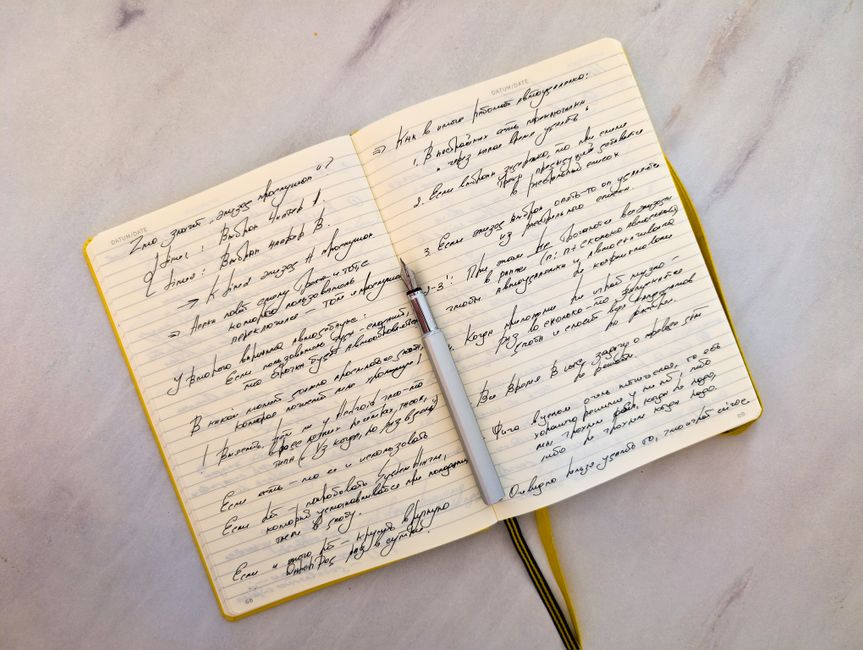
The self-learner flips through a cluttered notebook, searching for the right page to resume a practice block. Each second spent sifting through loose notes and scattered tabs on the laptop feels like a small victory lost. The first ten minutes vanish, leaving only frustration as the ideal focus slips away, replaced by a creeping urge to check notifications or browse online.
With review materials split across various tabs and pages, the act of pulling one practice set forward becomes a daunting task. Instead of diving into the content, the self-learner finds themselves caught in a cycle of searching rather than studying, which diminishes the effectiveness of the learning experience. Ensuring that one page is prepared before the session can serve as a simple yet crucial check to keep the focus sharp and the learning on track.
Inside the Pressure Cooker: A Study Block Gone Awry
At the desk, the self-learner stares at a jumble of notes and open tabs, feeling the weight of a ticking clock. The pressure mounts as they realize that the first ten minutes slip away, consumed by a frantic search for the right page in a disorganized notebook. Each second spent flipping through loose sheets and scrolling through browser tabs feels like a small victory lost, pulling them further from their goal of effective learning.
With review materials scattered across different locations, the task of pulling one practice set forward becomes overwhelming. Instead of settling into the content, they find themselves caught in a cycle of searching, leading to an urge to check social media or browse online. A simple adjustment—preparing one page in advance—could have made a significant difference.
The Decision That Sets the Tone: Choosing Between Focus and Distraction
However, the temptation to open multiple tabs lingers, promising quick access to various resources. The moment they click on a link, attention shifts. Instead of focusing on one set of notes, they find themselves navigating a maze of websites, each one pulling them further from their original intention. The initial excitement of exploring new content quickly morphs into confusion, as the scattered information disrupts their flow.
- The first ten minutes vanish, lost in the chaos of searching for relevant material.
- Review notes split across different tabs create a mental clutter, making it hard to concentrate.
- As the clock ticks, the urge to check social media feels increasingly tempting, leading to a cycle of distraction.
To regain control, a simple yet effective strategy is to prepare one page of notes before starting the session. By prioritizing focus over the allure of browsing, they can create a more effective practice block, ultimately enhancing their learning experience.
This same friction shows up again in Learning New Skills As, especially when the day tightens unexpectedly.
Cost of the Choice: When Focus Fades and Friction Grows
The moment you sit down at your desk, the first hurdle is finding the right page in your notebook. If you haven’t prepared, the first ten minutes can evaporate as you flip through disorganized notes, searching for the specific set you intended to review.
Each time you switch tasks—like moving from a tab with a video to a page with notes—your cognitive load increases. This constant shifting makes it harder to concentrate, leading to fragmented focus. You might think you’re multitasking, but in reality, you’re diluting your learning effectiveness. The immediate tradeoff is clear: while you may feel productive by opening multiple resources, the actual retention of information suffers. You’re left with a jumble of half-formed thoughts instead of a solid understanding of the material.
This small action creates a visual anchor, allowing you to dive straight into your work without the distraction of searching. When you sit down, your notes should be open to the right page, your pen ready, and a timer set for focused practice. This setup minimizes the temptation to browse online, keeping your attention locked on the task at hand. Over time, the cost of those initial distractions accumulates, resulting in a less effective learning experience. Each session becomes a reminder of how quickly focus can fade when the right preparations are overlooked. A Better Order: Preparing for Success Before the Session The first ten minutes typically vanished as I flipped through my notebook and scrolled across multiple tabs, trying to locate the right page or resource. This scattered start not only wasted time but also set a distracted tone for the entire session. I would often find myself drifting into online browsing, losing focus on the practice set I had intended to tackle.
After shifting my preparation strategy, I now pull one practice set forward and place it prominently on my desk before I start. Instead of searching for materials, I sit down to an open notebook, ready with my pen in hand and a timer set for focused practice. With everything in reach, I can dive directly into the material without the temptation to check notifications or browse online. The difference is stark: my productivity increases significantly, and I can complete more practice blocks in the same time frame.
On crowded days, this method holds up better because it eliminates the friction of disorganization. Instead of wasting precious minutes searching for notes, I can immediately engage with the task at hand. The time saved allows for deeper focus, creating a more effective learning environment.
What Runs More Smoothly After That
If this pattern keeps repeating, Practical Life Skills Us extends the idea without leaving the niche.
Instead of fumbling through scattered notes and tabs, I now start each session with a single, well-prepared page in front of me. This small adjustment means that as soon as I sit down at my desk, I can immediately engage with the material. The act of placing that page prominently on my desk not only saves time but also eliminates the mental clutter that comes from searching.
This shift allows me to set a timer for focused practice without distractions. I can see my pen moving across the page, capturing insights and reflections directly into my notebook's margin. As I work through the practice set, I notice that my retention improves; I am less likely to drift into unrelated browsing. The act of having everything ready before I start creates a rhythm that feels both productive and satisfying. Each session builds on the last, reinforcing the habit of preparation and focus.
Returning to the desk after a busy day, I often find my notes scattered across multiple tabs and pages, making it easy to lose focus. Instead of wasting this time, I’ve started placing a single page of relevant notes in front of me before I begin. This simple act allows me to dive straight into my practice block, reducing the temptation to browse online.
Each time I sit down with my notebook open to that prepared page, I notice a significant difference in my engagement and retention.