Maximizing Study Efficiency: What Gets Missed First on Busy Days
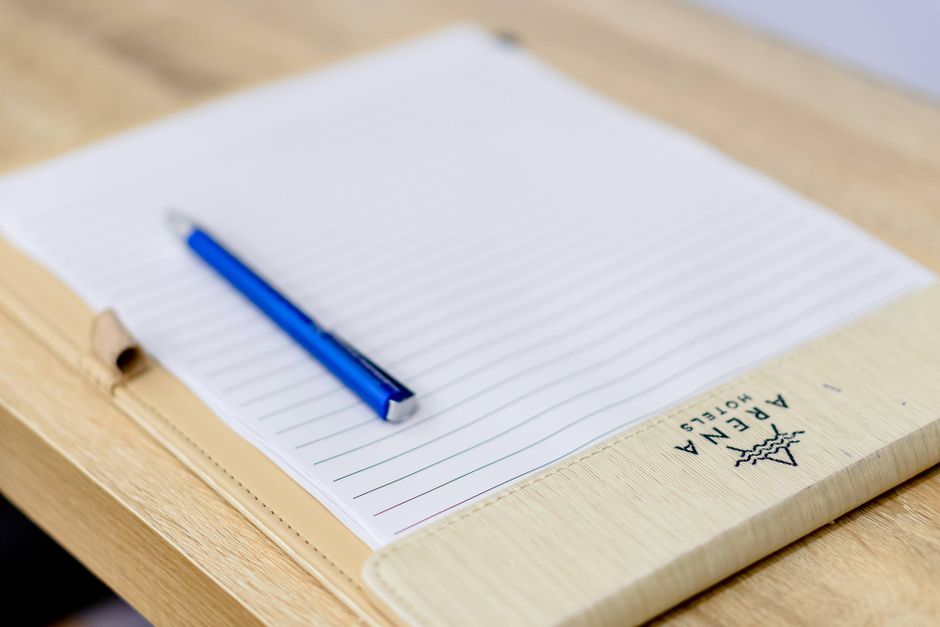
At the corner of a cluttered desk, a well-worn notebook lies open, its margins filled with hastily scribbled notes and reminders. As the student flips through pages, searching for the right section to review, the phone buzzes within reach, a constant distraction pulling focus away from the task at hand.
With only a limited window to absorb material before diving into practice, the student realizes that the first ten minutes are often consumed by the struggle to find the right page. This friction, compounded by the temptation of notifications, disrupts the flow of learning. The act of marking a restart point in the notebook could help streamline the process, yet it remains overlooked amid the chaos. Instead of diving into the material, the student finds themselves caught in a cycle of searching and scrolling, missing the critical review habit that could set the foundation for effective skill practice.
The First Step That Gets Skipped
At the desk, a timer sits ominously, counting down the scant ten minutes left for review. Scattered notes cover the surface, some dog-eared and others hastily jotted with reminders. The student glances at their phone, which buzzes with notifications, a constant reminder of the outside world. As they attempt to focus, the realization hits: precious minutes slip away while searching for the right page in their well-worn notebook.
Instead of diving into the material, the student finds themselves flipping through pages, their mind racing as they try to recall where they last left off. This searching ritual consumes the first few minutes, leaving little time for actual review. To counteract this, they could establish a clear restart point in the notebook, perhaps marking the last reviewed section with a bright pen. This small adjustment could streamline their process, but in the rush, it often gets overlooked. With the timer ticking, the student must decide: will they continue to grapple with the chaos, or will they take a moment to mark that crucial checkpoint before diving into the practice block ahead? Identifying the Slip: Where Routine Falters This frantic search not only wastes time but also heightens anxiety, making it harder to focus once they finally settle down.
- Keep the notebook open to the last reviewed page, ideally with a sticky note marking the spot.
- Set the phone aside, silencing notifications to minimize distractions.
- Use a timer to create a sense of urgency, prompting immediate engagement with the material.
As the phone buzzes with notifications just out of reach, it becomes all too easy to lose track of time. This moment of distraction can lead to a cascade of missed opportunities, as the initial focus on reviewing transitions into a scramble to catch up. To counteract this, establishing a clear restart point in the notebook can be crucial. Marking the last reviewed section with a bright pen not only aids in quickly locating it but also serves as a reminder to stay on task, reducing the chances of slipping into the chaos of distractions. Why the Friction Happens: A Cluttered Environment When the desk is cluttered with loose papers, textbooks, and an open notebook, finding the right page becomes a frustrating task. The first ten minutes can vanish as the student flips through disorganized sheets, trying to locate where they left off. This disarray not only wastes time but also disrupts the mental flow needed for effective learning.
Under pressure, the temptation to check the phone grows stronger. Notifications buzz enticingly, and the urge to glance at the screen can lead to a significant distraction. Each time the student picks up the phone, they risk losing their place in the material, which can spiral into a longer delay. The phone, while a tool for learning, often transforms into a source of interruption, pulling attention away from the task at hand.
To mitigate this friction, consider establishing a clear system for organizing notes. This small adjustment can streamline the process, allowing the student to dive into practice blocks without unnecessary delays. However, even with good intentions, the clutter can persist, reminding us that maintaining an organized space is an ongoing effort that requires constant attention.
Adjusting the Sequence: A Simple Restart Marker
The familiar chaos of crumpled papers and half-opened notebooks creates a barrier to getting back on track. The phone, resting just within reach, buzzes with notifications, further complicating the effort to focus. In this moment, the task feels overwhelming.
To streamline the process, the student decides to use a bright yellow sticky note as a restart marker on the last reviewed page. This simple addition transforms their approach. Instead of rifling through pages, they can now quickly locate their place and dive straight into reviewing. The sticky note, prominently placed, serves as a visual cue, eliminating the need to flip back and forth through the material.
With the restart marker in place, the student sets a timer for a focused 25-minute practice block. They can now concentrate on the material without the distraction of their phone, which they choose to silence and place out of reach.
If this pattern keeps repeating, Learning New Skills As extends the idea without leaving the niche.
Carrying Forward: Impact on the Next Study Block
A slightly different version of this problem appears in Practical Life Skills Us, where the sequence changes but the hidden drag feels familiar.
Instead of wasting precious time flipping through pages, the student opens the notebook directly to the sticky note, instantly reconnecting with the material.
The timer, set for another 25-minute block, encourages a sense of urgency. As they settle into their chair at the desk, the student silences their phone and pushes it further away, minimizing distractions. With the restart marker in place, they dive into the material, engaging with the notes rather than grappling with where to begin. The review habit now feels more like a natural flow rather than a forced restart.
During this session, the student notices that they can maintain their focus longer. The previous irritation of not knowing where to start has been replaced by a straightforward path forward. They find themselves not only absorbing the material more effectively but also feeling more confident about tackling the next practice block.
This serves as a reminder for the next time they return to these materials. With the phone now out of reach, they can focus entirely on the notes without the temptation of distractions.
Next time, the student can set a timer for the first ten minutes to review the marked section before diving into practice. This simple adjustment will help avoid the friction of searching for where to begin, ensuring that learning from mistakes becomes a smoother process.